
DISERT UILAIG
The Secret History of the Egyptian Gaelic Monks of Ireland

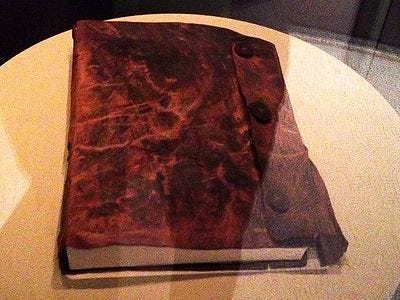
In 2006, an ancient book called the Faddan More Psalter was discovered in County Tipperary, Ireland.
The book, dated to c.800 AD, contains manuscripts of the biblical Psalms.
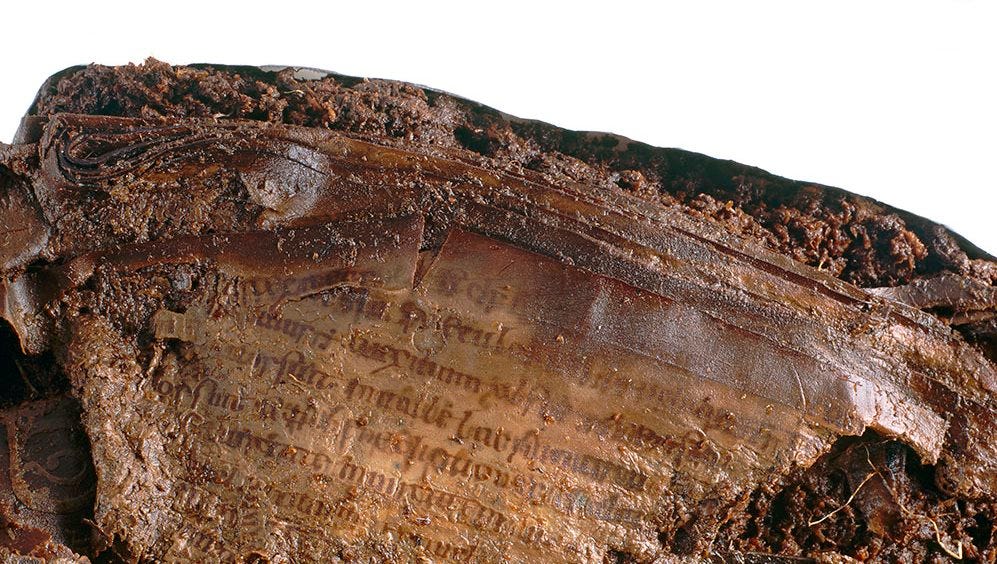
The cover of the Psalter is of a style uncommon in Western Europe, resembling Eastern Mediterranean designs.
The binding of the book includes pieces of papyrus from the Levant or possibly Sicily.
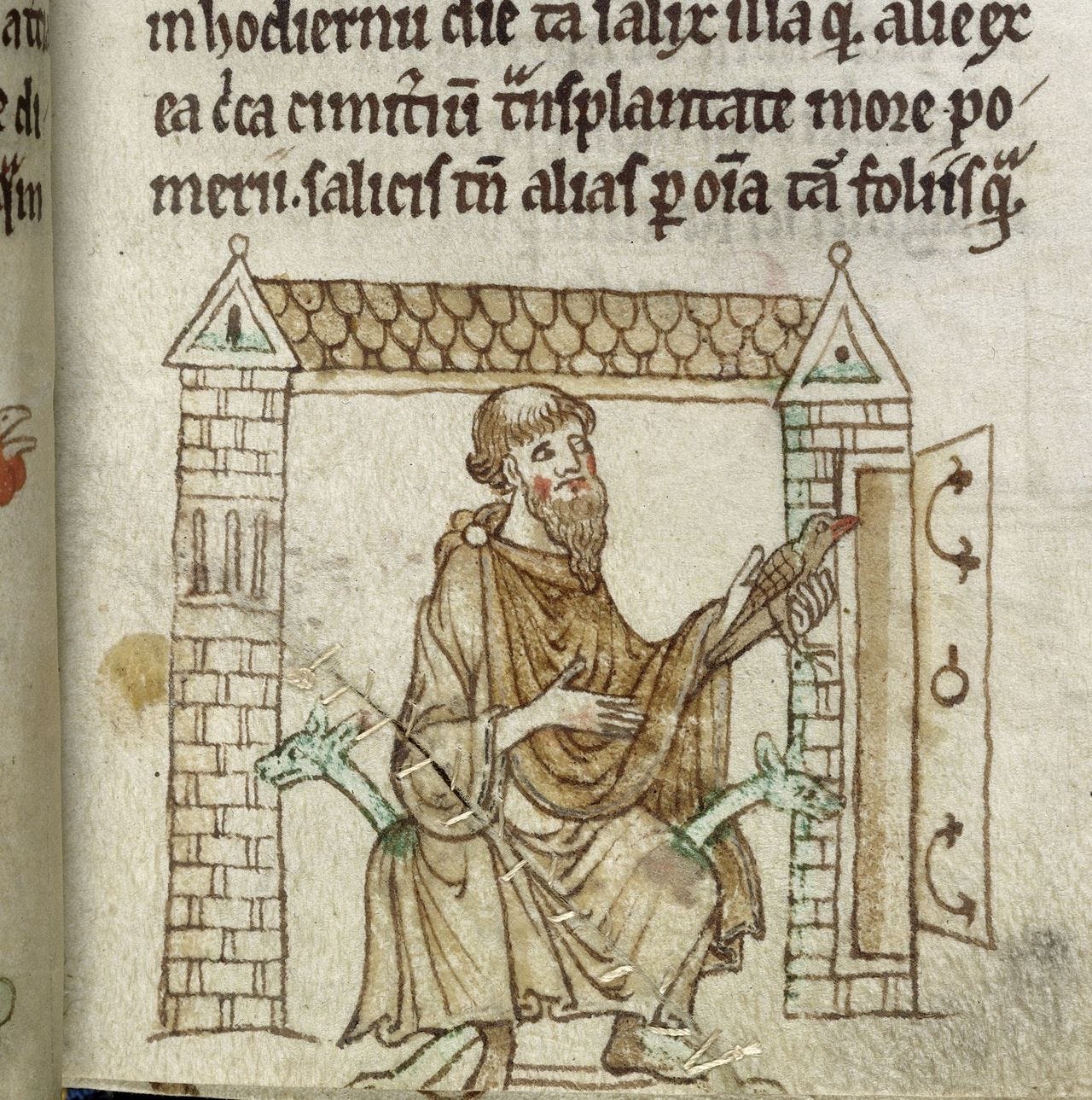
9th century text makes reference to "seven monks of Egypt in Disert Uilaig" on the West coast of Ireland.
The term 'Disert' (desert) is associated with hermits and monks, found in place names in Scotland, Wales, and Ireland, originating from the wildernesses of Egypt & Palestine.
Celtic-speaking peoples inhabited West and Central Europe before the Roman Empire.
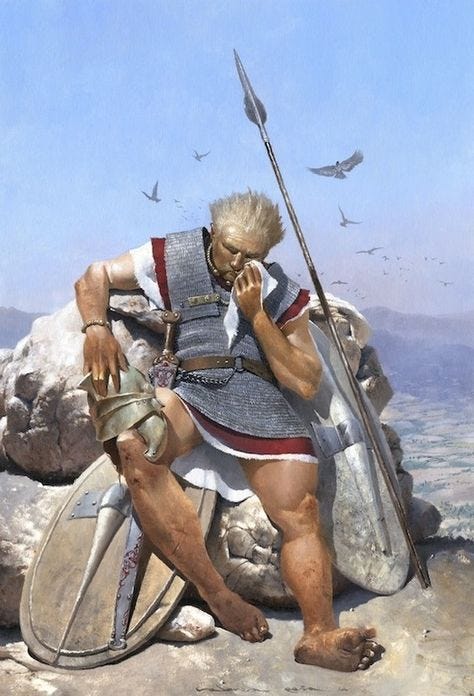
Celtic trade routes extended over the Alps into Italy and down the Danube to the Levant. Celtic warriors, valued as mercenaries, fought alongside Hannibal against Rome and supported the Ptolemaic dynasty in Egypt in the 3rd century BC. Many Celts intermarried with Egyptians, and their mixed children were referred to as "e pigovoi," as recorded by Polybios.
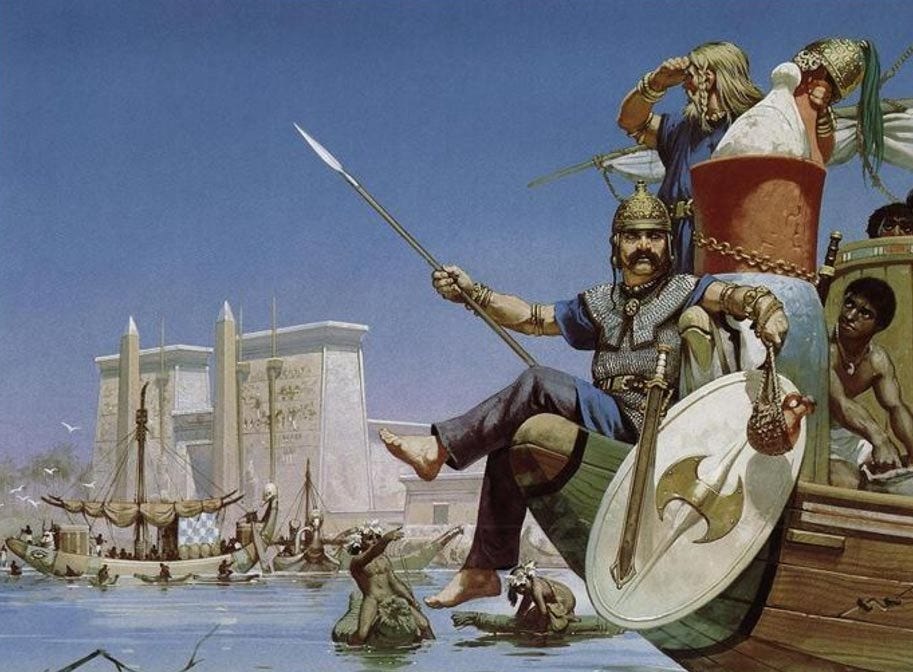
Maritime trade route between the eastern Mediterranean and the British Isles existed since the Bronze Age, driven by the need for Cornish tin in bronze production.
Celts were skilled craftsmen, and jewelry found in Egyptian tombs is often identified as Celtic, though some dispute this.
John Cassian, a noted ascetic and writer, toured monasteries in Palestine and Egypt, bringing back their spirituality to the South of Gaul. The monastery he founded in Marseille adopted a rule modeled on the Coptic, influencing other areas, including the nearby island of Lérins. St Honoratus founded a monastery on Lérins around 400, following the Egyptian rule until the 6th century.
Some claim St Patrick of Ireland learned Coptic spirituality on Lérins, though details may be apocryphal; Patrick quoted from Coptic sources in his Confessio. In the mid-5th century, a doctrinal disagreement (Monophysitism) divided the Church. Monks of Palestine and Egypt opposed power-holding bishops. After the Council of Chalcedon in 451 favored the bishops' position, many monks fled perceived error, possibly leading to the spread of Celtic Christian practices.
Robert Ritner presents parallels between Irish and Coptic Christian art, sculpture, and architecture.
Unique Egyptian motifs absent in Roman Christian traditions of Western Europe are found in Ireland. Examples include a handbell used by mendicant monks, resembling one received by a Coptic bishop at consecration, seen on the 8th-century Bishop's Stone in Killadeas, County Fermanagh.
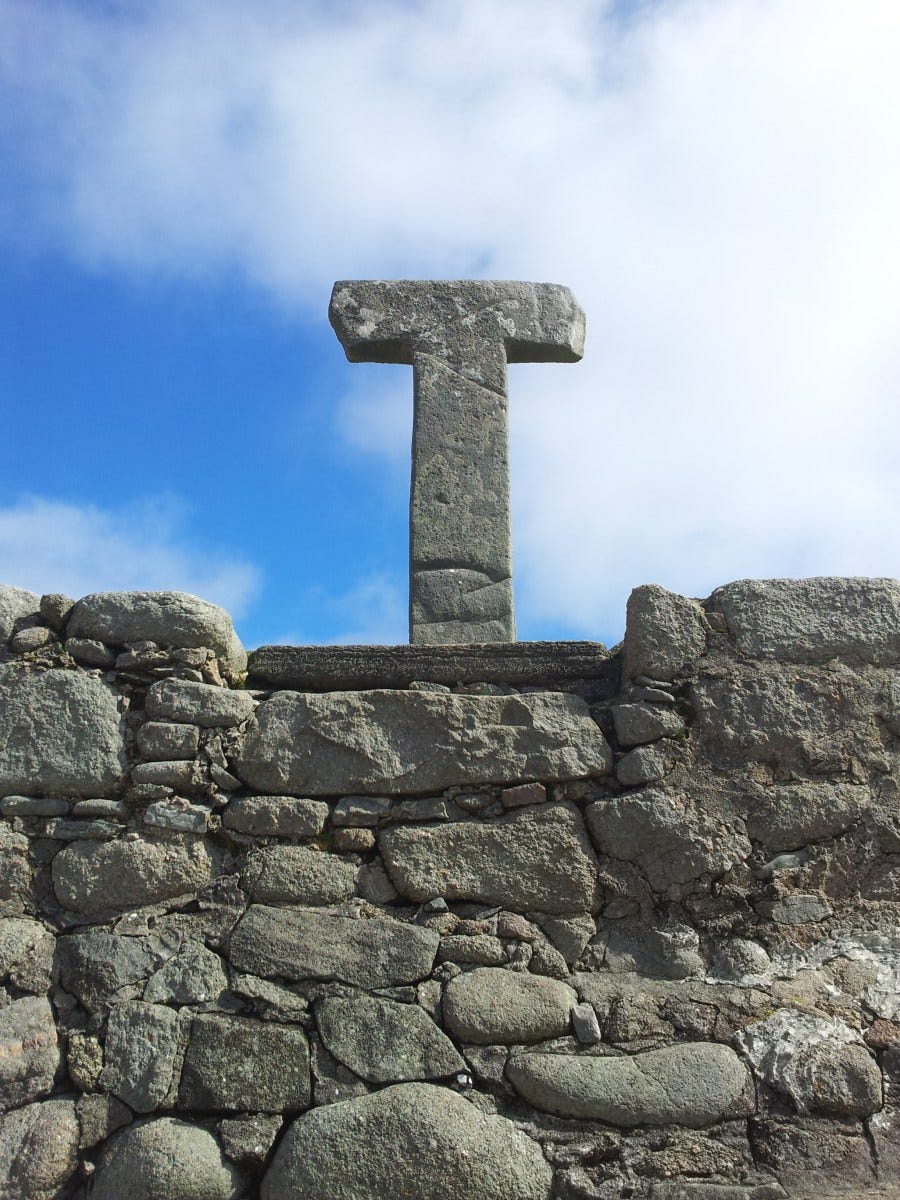
Irish bishops preferred the T-shaped "Tau cross" over the Western shepherd's crook, although the Latin churches occasionally used the Tau cross.
Bishops in Irish Christian art wore crowns with jewels instead of mitres. Early medieval Irish high crosses feature Egyptian monastic pioneers like St Antony and Paul of Thebes. In the Book of Kells (c.800), angels hold flabella (processional fans with circles on the end), a motif likely imported from the Coptic context, as they were not used in Ireland.
The conversion of pagan Ireland is notably peaceful, with pagan Druids being ordained Bishops after conversion, passing by priesthood. This, along with the other historical evidence provided in this blog post, seems to imply that the Gaelic pagan religion was already close to Christianity. When St Patrick preached the gospel to the pagans, they were taken aback by the Christian teaching of Logos (The Word of God), as the Gaels already worshipped the god Lugus. The Coptic connection opens many doors for speculation, perhaps this is a crucial point in understanding how smoothly Gaelic paganism became Christianised, as they may have already known Our Lord.